Staying Bullish Through Volatility
March 20, 2026



Each week, the Stokes Family Office staff puts together a list of our favorite news and updates on all things wealth management. From financial planning, portfolio construction, tax and estate planning, and retirement plan services to anything we found interesting. Enjoy this week’s curated list for your weekend reading!
Oil: Will the Price Spike Tip the Economy into Recession?
Martin Pring: The recent 30% surge in crude oil prices has led many observers—drawing on memories of past energy crises—to immediately warn of recession. That may ultimately prove correct, but we’re cautious about narrative‑driven, back‑of‑the‑envelope predictions. We prefer to ground our outlook on evidence, and that starts with understanding where the economy was headed before the oil shock hit.
Market-Implied Pricing of a Ceasefire
Daily Chartbook: The market-implied pricing of a ceasefire only goes above 50% in May, quite a while from now still. Some supply chains should show stress before that.
AI’s Growth Impact May Hinge on Science
James Pethokoukis: It’s the biggest question in macroeconomics right now: Will artificial intelligence give economic growth a small bump or launch a no-doubt, 1990s-style productivity boom? How about a historical break with important technologies of the past like electrification or the computer? Economists are nowhere near agreement.
Related:
11 Reasons Sentiment Says To Remain Bullish
Ryan Detrick: In many cases, we are seeing levels of fear and pessimism consistent with past major stock market lows. The obvious driver would be some type of better news or resolution with the war in Iran, but with so many investors and hedge funds positioned for more pain, the true pain trade would be to see higher stock prices. Here are 11 reasons sentiment says to remain bullish.
Owen A. Lamont: While the U.S. stock market is currently exhibiting many signs of speculative excess, the new issue market remains eerily quiet. Did somebody forget to inform the underwriters and issuers that we’re supposedly in a gigantic AI bubble?
Barry Ritholtz: The combination of unfettered growth and massive consolidation has significantly reduced the number of public equities, even as the entire public markets themselves have grown enormously. This has led to a huge surge in the number and variety of alternative asset classes, most notably private equity and debt.
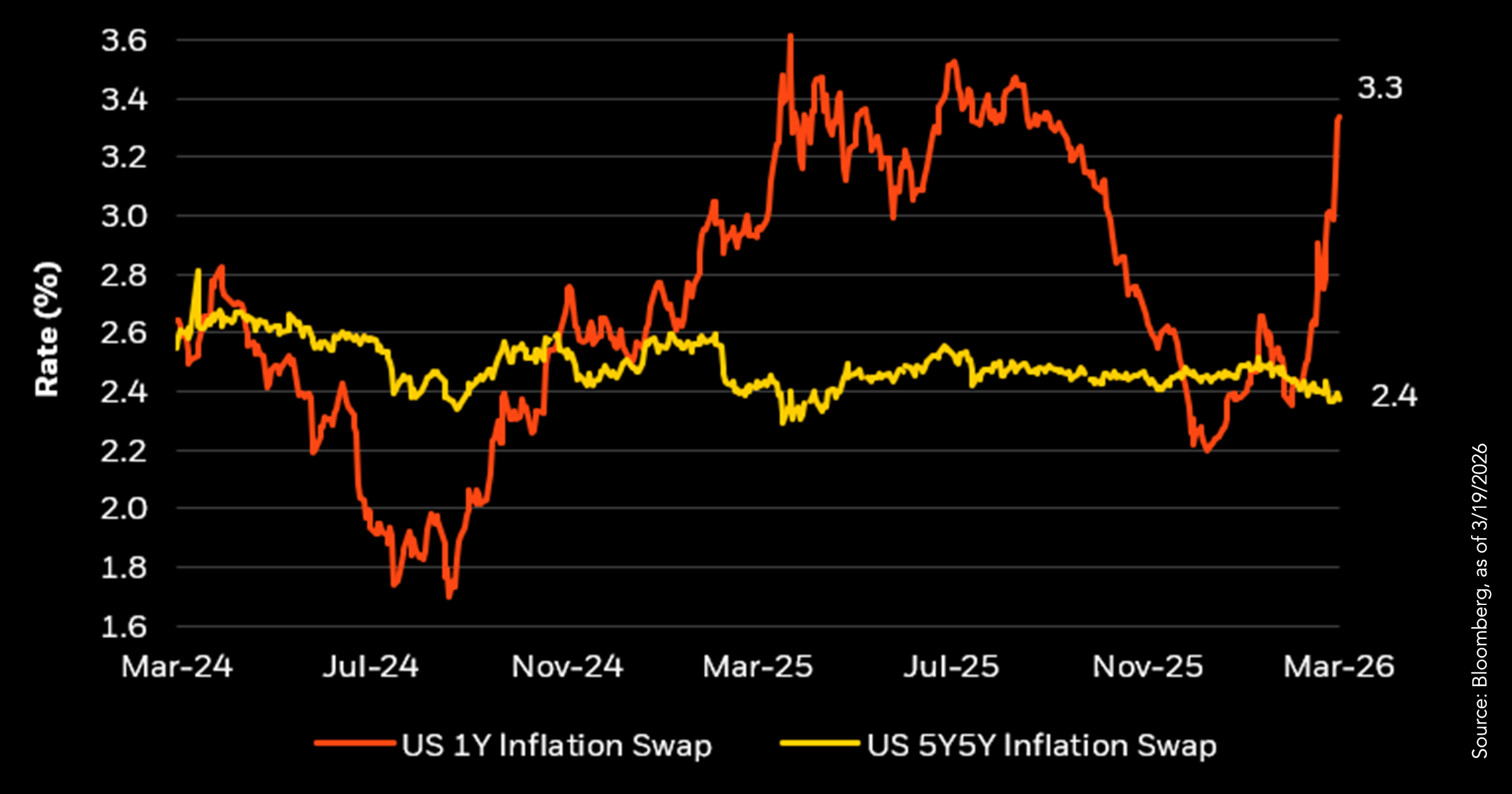
Via Rick Rieder, Near‑term inflation expectations have risen on supply shocks tied to energy and geopolitics, which tend to be episodic and act more like a tax on consumers. By contrast, longer‑term inflation expectations tied to wages, services, and consumption remain well anchored, suggesting demand‑driven inflation continues to ease. That distinction helps explain the Fed’s patience without taking rate cuts off the table this year.
Want to hear more from our team? Check out the Lagniappe Podcast.
THIS WEEK’S EPISODE: Our Managing Partners analyze the role that finance media and social media play in promoting fear when the market is barely off all-time highs.
Stokes Family Office is 100% Family Owned, and has been continually operating in the New Orleans Area for over 35 years. As a family office, we are focused on family wealth, financial planning, and tax planning. We are your local experts for Gulf South wealth management.

*Stokes Family Office does not offer legal or tax advice. Please consult the appropriate professional regarding your individual circumstances.